
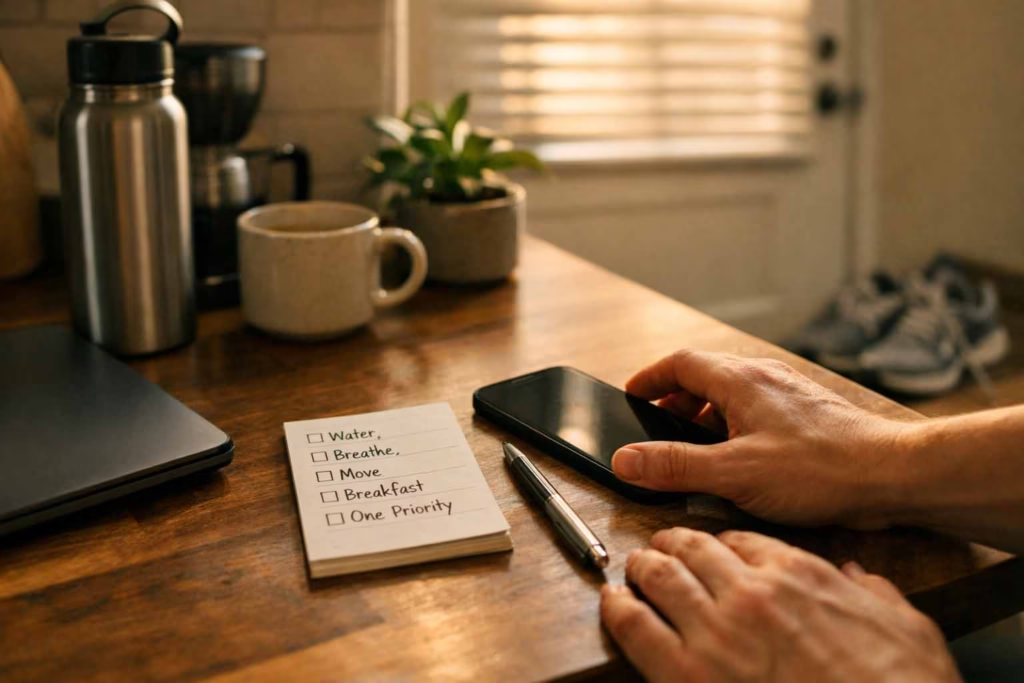
Disclaimer:This article is for general lifestyle and wellness education, it is not medical advice. If you have a health condition, take medications, or feel unwell in the mornings, talk with a qualified clinician before changing sleep, diet, or activity routines.
If you want a simple morning routine that fits a packed American schedule, start with a 20-minute structure you can repeat on weekdays, even when there is an early meeting, a school drop-off, or a commute.
The goal is not to “win the morning”, it is to reduce friction, get the body online, and choose one clear priority before the day starts pulling in ten directions.
What changed everything for me was treating mornings like a small, reliable system, not a personality test. I used to wake up, grab my phone, and lose 25 minutes in a blur of headlines, notifications, and half-answered messages. I felt behind before my feet hit the floor.
Once I built a quick start-of-day checklist with a few fast self-care habits, the whole day got calmer. It was a low-effort wellness plan, not a makeover.
The routine also came with screen time boundaries, which quietly lowered my anxiety, and it became one of my most consistent stress reduction techniques.
A key detail, I did not try to do more, I tried to do less, but do it in the same order. That is why I still use a simple checklist, and why I designed this to keep the routine repeatable even on “messy” mornings.
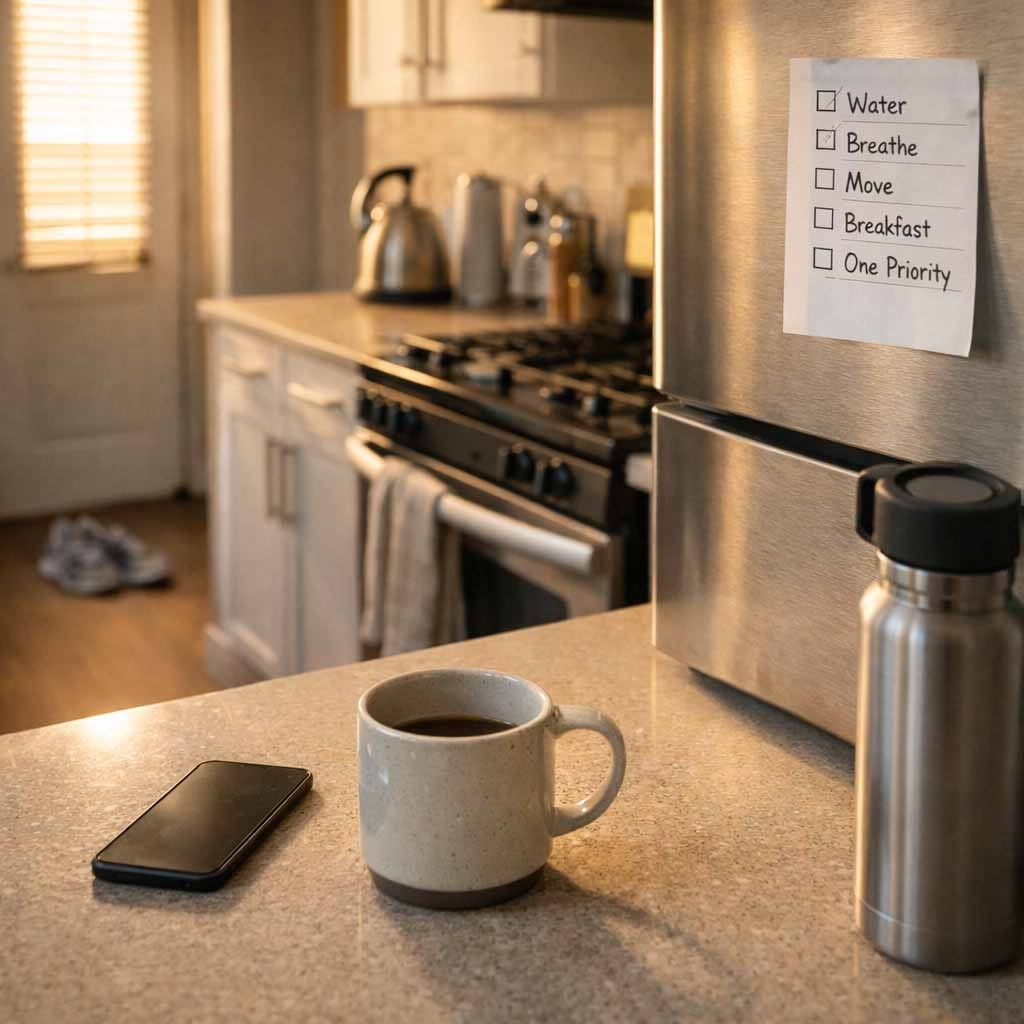
What “busy” looks like in the USA, and why 20 minutes works
Common U.S. morning realities (commute, kids, remote work, shift work)
“Busy” in America often means a morning that gets interrupted. Someone is trying to beat traffic from a suburb into a city, someone is jumping on a video stand-up call in a different time zone, someone is getting kids out the door while packing lunches, and someone is coming off a night shift and starting their “day” at 4:00 pm instead of 7:00 am.
The point is, most people do not need a perfect routine, they need something that survives real life. I built this framework after watching my own best intentions disappear the moment something unexpected happened, a delayed train, a sick kid, a last-minute calendar invite.
Twenty minutes is long enough to create momentum and short enough to protect.
The principle: reduce decisions, increase consistency
The real enemy for most mornings is not laziness, it is choice overload. When everything is optional, nothing happens. A short routine works because it supports decision fatigue reduction. It lowers the number of tiny decisions that drain attention, and it replaces them with one sequence.
The simplest way to make it real is to literally set a 20-minute timer. The timer is not pressure, it is permission. It keeps the routine from expanding into a self-improvement project.
Safety, scope, and “general wellness” framing
This is a practical guide for general well-being, not treatment for any condition. I like referencing reputable public-health style resources when I design routines because it keeps me honest and realistic.
Sources like Harvard Health Publishing and Stanford Medicine often emphasize fundamentals, sleep consistency, light exposure, movement, and simple stress management. Those fundamentals are exactly what this 20-minute approach is built around.
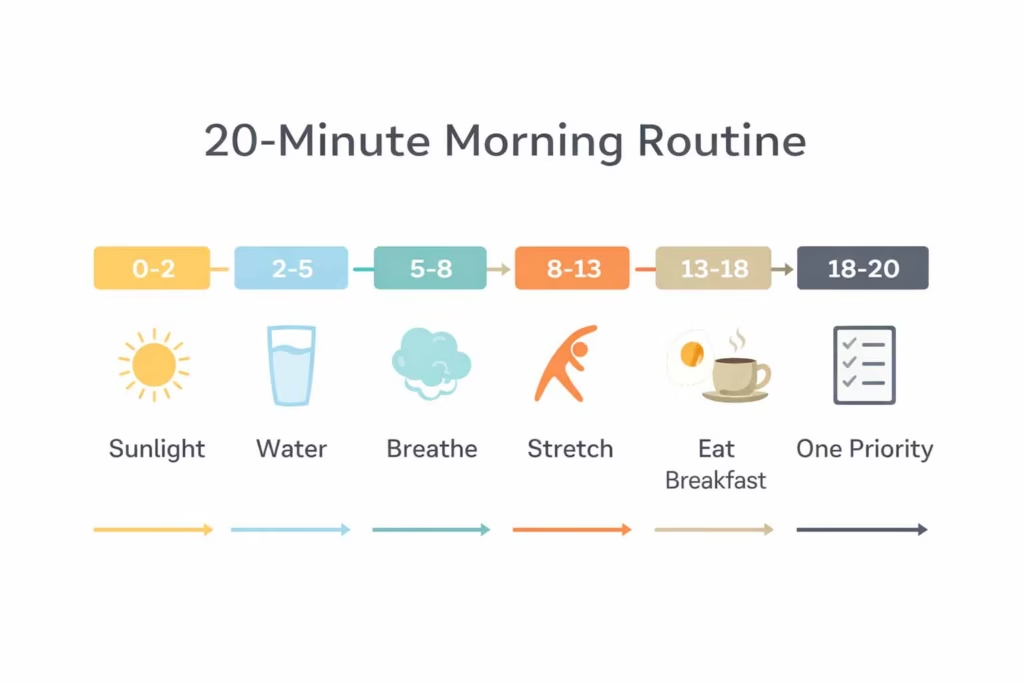
A simple morning routine that fits into 20 minutes
This is the full minute-by-minute system. I call it a 20-minute wake-up plan, and the goal is to create an energizing wake-up sequence without needing motivation. It is intentionally simple, and it is designed to work in apartments, suburban homes, hotels, and whatever situation the day starts in.
Minute 0 to 2: Light, boundaries, and “no phone”
The first two minutes decide what kind of morning you are going to have. I learned this the hard way. If I start with the phone, the morning becomes reactive. If I start with light and a boundary, the morning becomes intentional.
Here is the exact rule that made the biggest difference for me: keep your phone out of reach. Not across the bed, not under the pillow, not on the nightstand. Put it across the room, or in the kitchen. When the alarm goes off, get up to turn it off. That tiny movement becomes the first win.
Then, as soon as you can, open the blinds right away. Light is a cue that helps align the day. Many sleep educators talk about how morning light supports daily rhythms.
In plain terms, it is helpful for circadian rhythm support, and it encourages sunlight exposure after waking (even if it is just a bright window on a winter morning). If possible, I also step outside for fresh air for 30 seconds. It is not a workout, it is a reset.
Two more guardrails matter here. First, avoid checking email immediately. Second, mute nonessential notifications. Those two changes do not make life perfect, but they stop your brain from entering “inbox mode” before you have even chosen what matters.
If you want a fast sensory cue, this one is surprisingly effective: rinse your face with cool water. It is simple, it wakes you up without drama.
This is where I usually mention the phrase phone-free first minutes, because it captures the point, a small boundary at the start creates more focus later. I first started paying attention to this idea after seeing it echoed in sleep education discussions from groups like the National Sleep Foundation.
Minute 2 to 5: Hydration before caffeine
Most mornings, people reach for caffeine fast. I used to do that too, especially on early commutes. What worked better for me was a tiny pause that I could do on autopilot: start with water.
This is about hydration on waking, not because water is magical, but because it is a clean, easy signal that the day has started. The phrase I keep in my own checklist is simple: sip water before coffee.
I make it frictionless by placing a bottle where I will see it. If I am at home, it is on the kitchen counter. If I am traveling, it is next to my bag. I have used a Hydro Flask and a Nalgene at different times, not because brands matter, but because a durable bottle removes excuses.
Then I move into my coffee, but I keep one small principle in mind, a personal caffeine timing guide. For me, that means caffeine comes after water, not before it. That single change reduced the “jittery then crash” feeling I used to get when I was running on low sleep.
Minute 5 to 8: Calm the nervous system, then aim attention
This is the part people skip because it sounds “soft”. It is also the part that made my mornings feel dramatically more stable.
Start with breathing. I do it the same way every day: take five slow deep breaths. That is it. Five breaths, slow enough to feel the shoulders drop. In my notes, I call this breathwork for focus, because it changes how I approach the next task.
Then I do a short mental reset. Sometimes it is a simple audio track, sometimes it is silence, sometimes it is just one line of writing. The label for this section is mindfulness in minutes, not because it is trendy, but because it is short, and it works.
If I want sound, I play one calm song. If I want structure, I open an app for a two-minute guided reset. I have tried Headspace, Calm, and Insight Timer over the years. Any of them can work, the tool is less important than the habit.
Then I add one sentence of clarity. I literally write one sentence about today. It can be as plain as, “Today is busy, so I will protect the first hour.” That one line becomes a small form of gratitude practice, because it pulls me into intention instead of anxiety.
If writing feels like too much, I keep a few simple journaling prompts ready, like “What would make today feel successful by 11:00 am?”
Minute 8 to 13: Mobility that fits real homes and real bodies
This is not about becoming a fitness person. It is about removing stiffness and waking up the nervous system without needing a gym.
I start with a simple light mobility flow that fits in a small space. The first move is a posture reset: do a two-minute posture check. I stand tall, relax shoulders, unlock knees, breathe, and notice where I feel tight.
Then I hit the common tight spots. The instruction I tell people is plain: stretch your hips and shoulders. That is where a lot of desk stress hides. This section also includes desk-friendly stretching ideas for people who are rushing, like a calf stretch on a step, a gentle hip hinge, shoulder circles, and a slow torso twist.
To keep it practical, I end with one quick energizer: do a quick mobility warm-up. Think of it as waking up the joints, not “working out”.
From there, I use an optional branch depending on energy and time. If energy is good, this is where a short home workout fits, even five minutes of bodyweight basics. If the day feels heavy, I skip intensity and choose a brisk walk before work, even if it is just down the street and back.
When people ask “is this safe for me”, I always point themj to the common sense approach, start gentle, listen to the body, avoid pain, and if needed, check guidance from credible health education outlets like Mayo Clinic, Cleveland Clinic, or Johns Hopkins Medicine.
For general activity recommendations, resources like the American Heart Association are also a useful reference.
Some people like tracking, others do not. If tracking helps, a wearable can make the habit feel tangible. I have experimented with an Apple Watch, a Fitbit, a Garmin, and an Oura Ring at different times.
I have also used structured workouts via Peloton and Nike Training Club when I wanted something guided. None of those are required, they are optional supports.
Minute 13 to 18: Breakfast and fuel without drama
I used to treat breakfast like a debate, which is a great way to end up eating nothing or grabbing something random.
What helped was building a small menu of defaults. This is where grab-and-go breakfast ideas matter, because the right default eliminates a decision.
My personal rule is simple: eat something with protein and fiber. It is not about diet culture, it is about steady energy. There are many high-protein breakfast options that are normal, affordable, and easy to find in the U.S.
To make this work on busy mornings, I use meal prep shortcuts that do not feel like a second job. Here are practical examples that fit American grocery reality.
Three grab-and-go combos
- Greek yogurt plus berries plus a handful of nuts
- Cottage cheese plus fruit, and a slice of whole grain toast
- A premade egg bite or hard-boiled eggs plus an apple
Three “blend and leave” combos
- Milk or a milk alternative, frozen berries, and a scoop of protein powder
- Banana, peanut butter, oats, and cinnamon
- Spinach, pineapple, and plain yogurt (sweeten lightly if needed)
If a blender helps you actually do it, a Vitamix is an example of a tool some people use, but any basic blender works.
Three “heat and eat” combos
- Oatmeal with nuts and fruit
- Egg and veggie scramble prepared ahead
- Breakfast burrito batch-cooked and frozen
A pressure cooker like an Instant Pot can make batch cooking easier, but again, the tool is optional.
I also keep coffee simple. I like a clean setup with minimal fuss, and an AeroPress is one example of a quick method. The goal is to avoid turning coffee into a 15-minute side quest.
One friction trick that matters more than most people think: keep breakfast options visible. If the best option is hidden behind five items, the brain chooses the nearest snack.
Finally, because mornings often fail at lunch, I add a small “future self” action. On many days, I literally prep lunch in under three minutes by packing leftovers, adding a piece of fruit, or throwing a salad kit in a container. It is not glamorous, it is effective.
A nutrition perspective that stays grounded and avoids hype is helpful here. The Academy of Nutrition and Dietetics is a reputable example of where people often look for general nutrition education.
Minute 18 to 20: Pick one priority and remove friction
This last two minutes is where the routine becomes a productivity tool, not just wellness.
I do a minimal planning session that takes two minutes, and I use the same sequence every day. First, I write a top 3 priorities list. Not ten items, three. Then I choose one thing that matters most and decide when it gets done.
Here is the line I use to force clarity: choose one key task to finish early. It is the task that will reduce stress if it is done by noon. Then I set a realistic first goal, something small enough to start, but meaningful enough to matter. I always try to start with an easy win, because momentum is real.
Next, I glance at the calendar once. I do not “plan my whole life” here. I just do calendar block planning for the first important chunk of the day, which creates a simple time-blocked AM schedule. This is part of my broader productivity system setup, and it prevents the day from becoming reactive.
Then I do one admin sweep. I review your to-do list once, and I confirm your first meeting time. If the first meeting is in 20 minutes, the routine becomes lighter. If the first meeting is later, I know I have space.
Then I remove friction from the commute or the first work block. This is where commute-ready preparation matters. The two simplest actions are: pack your bag by the door, and do a small reset like tidy one small area. That tiny bit of order helps me feel in control when the day gets chaotic.
I also stop the routine cleanly. This is important. I stop when the timer ends. The point is to build a system that respects time.
Finally, the best “morning hack” often happens the night before. I call it wardrobe prep the night before, because it prevents a 7:40 am closet spiral.
For task tools, I keep it minimal. I have tested several options, and the best one is the one you will actually open. Examples include Todoist, Notion, Google Tasks, Microsoft To Do, and Apple Reminders. You do not need all of them. Pick one and keep the habit simple.
Make the routine stick without willpower
Habit mechanics that work when life is chaotic
If the routine only works on calm mornings, it does not work. The goal is to build something that survives chaos. What helped me most was using a habit stacking strategy. Instead of “I will try to be disciplined”, I linked each step to the previous step.
Example: blinds open leads to water, water leads to breathing, breathing leads to movement, movement leads to food, food leads to priority. The routine becomes a chain, not a collection of options.
The second piece is keeping steps tiny. This is where micro habits for consistency matters. A two-minute habit is not embarrassing, it is repeatable, and repeatable is where results live.
If someone wants proof it is working, I recommend a short experiment: track the habit for one week. Not forever, one week. Track whether the routine happened, and how the first hour felt. That is enough to see patterns.
If a day fails, the reset matters. The most useful phrase I learned is this: reset without guilt tomorrow. Shame does not build habits, systems do.
This is what I mean by sustainable habit building, it is less about intensity and more about designing a routine that fits the life you actually have.
Guardrails that protect the morning
The biggest threats are predictable: the phone, rushing, and trying to cram too much in. The fix is not more motivation, it is guardrails.
My two best guardrails are, keep the phone physically away during the first steps, and keep the routine capped at 20 minutes. If I break either rule, I restart the timer and cut steps, rather than trying to “catch up”.
Custom versions for different American schedules
The 10-minute emergency version
Some mornings are non-negotiably chaotic. On those mornings, I run a 10-minute version with only the core steps:
- Light and a phone boundary
- Water
- Five breaths
- One priority
The important part is keeping the order, not doing every step. That is how routines survive real life.
The 30-minute expanded version (when there is margin)
When there is extra time, I expand only one section, not all of them. I might extend movement into a longer walk, make breakfast more substantial, or add a longer planning block. The trick is to expand one piece and keep the rest stable.
Commute vs remote work vs parents
For commuters, the “remove friction” step matters most, lay out essentials, check the first meeting, and reduce morning surprises. For remote workers, the biggest win is often creating a clean boundary between “home mode” and “work mode”. For parents, the night-before setup often matters more than any morning habit.
This is also where the routine becomes personal. The best version is the one that fits the household, not the one that looks good online.
The most common mistakes, and quick fixes
Mistake 1: Turning mornings into a self-improvement project
A routine can quietly become a performance. Suddenly there are 14 steps, supplements, cold plunges, and a 40-minute workout, and none of it fits real life. The fix is simple, cap the time, keep the sequence, protect the first two minutes.
Mistake 2: Starting the day in “reactive mode”
The fastest way to feel behind is to let the phone decide the day. The fix is not quitting technology, it is delaying it. Put a small boundary before the inbox.
A small replacement habit can help. For example, some people keep a Kindle nearby and read two pages instead of scrolling. It is not about reading more, it is about starting calmly.
Mistake 3: Too many apps, too many rules
If the routine needs five tools and three checklists, it will break. Keep one timer, one short checklist, one task list. A routine should reduce complexity, not add it.
Simple tracking and feedback loops
What to track (without obsessing)
Tracking is optional, but a light feedback loop can help. I suggest tracking only three signals:
- Did the routine happen
- Energy level in the first hour
- Whether the first priority got started early
The goal is clarity, not perfection.
Tools (optional)
If nutrition tracking helps someone build awareness, apps like MyFitnessPal or Cronometer can be used lightly. The key is not to let tracking become the routine.
A realistic 7-day rollout plan (plus weekend reset)
Day 1 to 2: Set cues and remove friction
Make water easy to see, put the phone where it is harder to grab, and decide what the first two minutes will look like. Pre-choose two breakfast defaults so the morning does not turn into a debate.
Day 3 to 5: Stabilize the sequence
Run the routine in the same order every day, even if some steps are shortened. Keep the timer, keep the cap, and keep the checklist visible. Consistency beats intensity here.
Day 6 to 7: Tune for your life
After a few days, adjust the routine to match your schedule. If movement feels too hard, shorten it. If breakfast feels heavy, simplify it. If planning feels stressful, reduce it to one priority.
Weekend reset habits
This is the part that makes weekdays easier. I do a short Sunday setup, laundry basics, a glance at the calendar, and a quick kitchen reset. The phrase I use for this is weekend reset habits, because it is not about cleaning the whole house, it is about removing weekday friction. The routine gets easier when the environment is set up for it.
Conclusion: the 20-minute promise
A good morning routine is not the one that looks impressive, it is the one that reliably happens. This 20-minute approach is designed to work on normal American mornings, including the busy ones. If you want one thing to remember, it is this: keep the steps small, keep the order stable, and keep the finish line clear.
Save the checklist, run it for seven days, and adjust only after the week is done. The goal is not perfection, it is a calmer start, a clearer first priority, and a day that begins on your terms.
FAQs
1) What is the best 20-minute morning routine for a full-time job in the U.S.?
For most full-time workers, the best approach is a short sequence that survives commutes and early meetings. The “best” routine is usually a repeatable one: light first, water second, a quick calm reset, short movement, then one clear priority. In the U.S., mornings often get shaped by traffic, school schedules, and meeting-heavy calendars, so it helps to keep planning to two minutes and focus on doing one important task early.
2) How can someone follow a routine with kids and school drop-off?
The easiest way is to shift effort to the night before. Set out clothes, pack bags, and choose breakfast defaults so the morning does not become a negotiation. In many American households, the morning is a team effort, so a short routine works best when it is flexible. Even five minutes of light, water, and breathing can change how the rest of the morning feels, especially before a school run.
3) Should coffee happen immediately after waking?
Many people do fine with early coffee, but plenty of people feel better when they start with water first and allow a short buffer before caffeine. The practical approach is to test it for a week. If energy feels steadier and anxiety feels lower, the timing is probably better. If someone has a health condition, they should check with a clinician, especially if caffeine affects sleep, heart rate, or anxiety.
4) What if someone wakes up exhausted and has no motivation?
On those mornings, motivation is not the goal, movement is. Treat it like starting a car in winter. Start with light, water, five breaths, then one small next step. The routine should feel like assistance, not a test. Exhaustion is also a signal, if it is persistent, it is worth looking at sleep consistency, workload, and health factors with professional support.
5) How can someone stop scrolling first thing in the morning?
Make it inconvenient. Put the phone across the room, use a basic alarm clock, or leave the device in another space. The first minutes shape the tone of the morning, and scrolling turns the brain outward. A replacement habit helps, like stepping into bright light, washing the face, or writing one line of intention. The goal is not “never scroll”, it is “not first”.
6) What are good fast breakfasts for busy mornings?
The best fast breakfasts are usually built around simple protein plus fiber. Examples include yogurt with fruit and nuts, eggs with toast and fruit, or a smoothie with protein and oats. In the U.S., convenience foods are everywhere, so it helps to make the good option the easy option by putting it in front. Keeping two default breakfast choices reduces decisions and makes mornings calmer.
7) What if someone works nights or rotating shifts?
In that case, “morning” should mean “start of day”, not a specific clock time. The same sequence can work after waking in the afternoon or evening. Light exposure should be handled safely and realistically, especially for night workers who may need to sleep during daylight hours. The routine should support steady energy and calm, without forcing a normal daytime schedule that does not match the job.
8) How can someone build consistency when their schedule changes daily?
Consistency comes from anchors, not from perfect timing. Keep the order stable, even if the duration changes. The anchor can be “light then water” or “water then breathing”. When the schedule shifts, shrink the routine instead of skipping it. Many busy Americans have unpredictable days, so the routine needs a “minimum version” that can happen anywhere, even in a hotel or before an early flight.
9) Which apps are useful for morning planning without getting overwhelmed?
The simplest answer is, one place for tasks and one place for calendar. Too many tools create friction. A basic task list that can hold three priorities is enough. If apps create stress, paper works. The goal is to spend less than two minutes planning, then start the first meaningful action. Planning is only useful when it leads to doing.
10) How does someone know the routine is working after one week?
Look for practical signals: fewer rushed mornings, less reactive phone time, steadier energy, and earlier progress on a key task. It also helps to notice mood in the first hour. If the routine feels too hard, it is not a failure, it is feedback. Reduce steps, simplify breakfast, shorten movement, and keep the first two minutes stable. The “win” is a calmer start, not a perfect streak.
Author Bio
Ryan Caldwell is a productivity-focused lifestyle writer who tests simple routines in real-world schedules, commutes, and busy weeks. Published by Ahmed Saeed.