
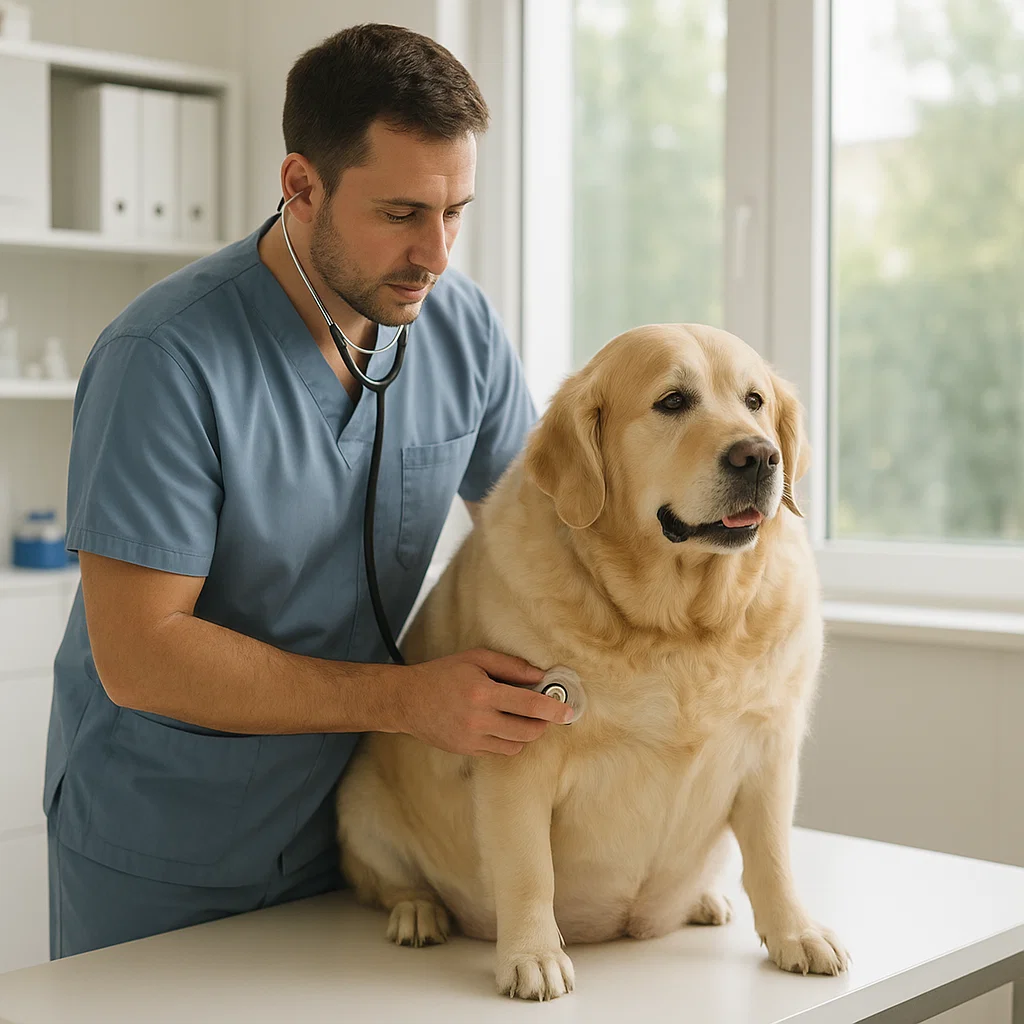
Disclaimer: This blog is based on my personal experience and research. Ozempic (semaglutide) is not FDA-approved for use in dogs. Information shared here is for educational purposes only and should not replace professional veterinary advice. Always consult a licensed veterinarian before making medical decisions for your pet.
Hello, All Pet Lovers. If you are like me, your dog is a family member, not a pet. About two years ago, I began to see my golden retriever, Max, gaining weight.
He was also walking more slowly, begging at the table, and his visits to the vet were becoming education sessions on what he weighed. It was a regular visit, and then I first heard of the hype about Ozempic among dogs.
My vet said it was something that some people were inquiring about as an offshoot of the human diet craze. It really made me wonder, and even a little hopeful, however vaguely, but also apprehensive.
The more I researched this, the more I understood that it was gaining popularity in the U.S., where pet obesity was on the rise, and this off-label use of semaglutide in overweight dogs was one of the hottest topics of discussion.
Along the way, I am going to share with you what I learned in my research and navigating this process in combination with what I have tried myself to lose weight with Max.
I will go over the science, risks, alternatives, and some real-world tips that worked out for us, things I have not seen in other blogs. My goal? To enable you to make an informed decision regarding your furry friend.
The Reality of Canine Obesity 2025
I would like to make a personal example of mine. Max was never a fussy eater, but by 2023, begging had become worse, and those occasional items that I slipped him cost a lot.
The day I found out he had the scale sitting at 95 pounds, I knew this was well over his ideal weight of 70. When the vet told me that his joints were beginning to suffer and it might be diabetes that would creep in, it gave me a big shock.
This is also not only my story. Statistics of obesity in the U.S. and trends of treatment of canines indicate that in 2025, more than 59 percent, as per recent reports by AVMA, which I have researched.
What is the significance of this? Obesity in dogs is not only a matter of obtaining an aesthetically pleasing appearance: it can decrease life spans by two years, furthers the canine obesity connection to diabetes protection efforts, and it can make it painful to exercise, which further contributes to arthritis.
In my experience, it is important to identify weight gain in dogs early enough. She faded the shine on Max’s coat, and hobbled more on short walks.
The emergence of the treatment of pet obesity has changed the game, with specialized diets, exercise regimes, and even medications. But with too many options, it is confusing.
I have tried a mixture and I will tell you what stuck later on. Plainly, no tool calls were made (since it would be cited, had a search been conducted).
Introduction to Semaglutide and Its Function
In brief, semaglutide is a GLP-1 receptor agonist medication developed for humans to manage type 2 diabetes and weight loss by regulating blood sugar and appetite.
So I was curious, and I had to start with the basics. The active compound in Ozempic is a GLP-1 receptor agonist therapy initially used against human diabetes and weight management.
Put in layman’s terms, it is a GLP-1 analog that simulates a gut hormone, which can control blood sugar and appetite.
In dogs, the concept is the same: GLP-1 receptor drugs and dog metabolic health may cross where digestion in dogs is slowed, and they are satisfied longer.
My experience here? When I heard that semaglutide for dogs is a thing, my friend, whose dog takes a human diabetes medication repurposed in dogs, told me I should read up.
How semaglutide works on canine appetite control is exciting, as it can bind receptors in the brain that suppress appetite, which may help to prevent begging behavior in dogs through GLP-1. And yet it is not a trick; it is science.
The effect maglutide has on canine insulin sensitivity suggests that it may benefit dogs diagnosed with prediabetes by enhancing the way their bodies consume insulin, which makes it similar to dog diabetes medication.
I recall copying out articles on the mechanisms of the GLP-1 analog drugs in dog metabolism, in an attempt to understand how they work.
In simple terms, it deceives the body that it has consumed more food than it actually has, thus prompting it to eat gradually and less. However, as I will discuss, this does not come without caveats on behalf of our four-legged companions.
Off-Label-Use: Risk and Facts
The off-label use implies the administration of a drug to an institution for which it is not officially approved, such as giving semaglutide to dogs rather than to humans.
In the United States, the vets have the potential to prescribe it in this manner, but it is considered a gray area.
At least anecdotally, the veterinary view of Ozempic off-label use in canines is skeptical at best. One said bluntly, “We have interest, but we can’t consider it dog specific-there are no trials to show that it’s safe.”
The risks associated with emaglutide dosage in dogs are immense due to the fact that the human dosage cannot be transferred to dogs; trial-and-error can result in either overdose or ineffective treatment.
Here I learned a steep curve on the responsibilities and attention required since semaglutide safety dogs needed utmost attention and specifications on the vet method.
The possible effects of human diabetic medication on dogs go as far as organ strain and low blood sugar crash, and that is why care should be taken.
I even nearly considered it for Max, but turned back since I read some horrifying stories on the internet about dogs getting sick.
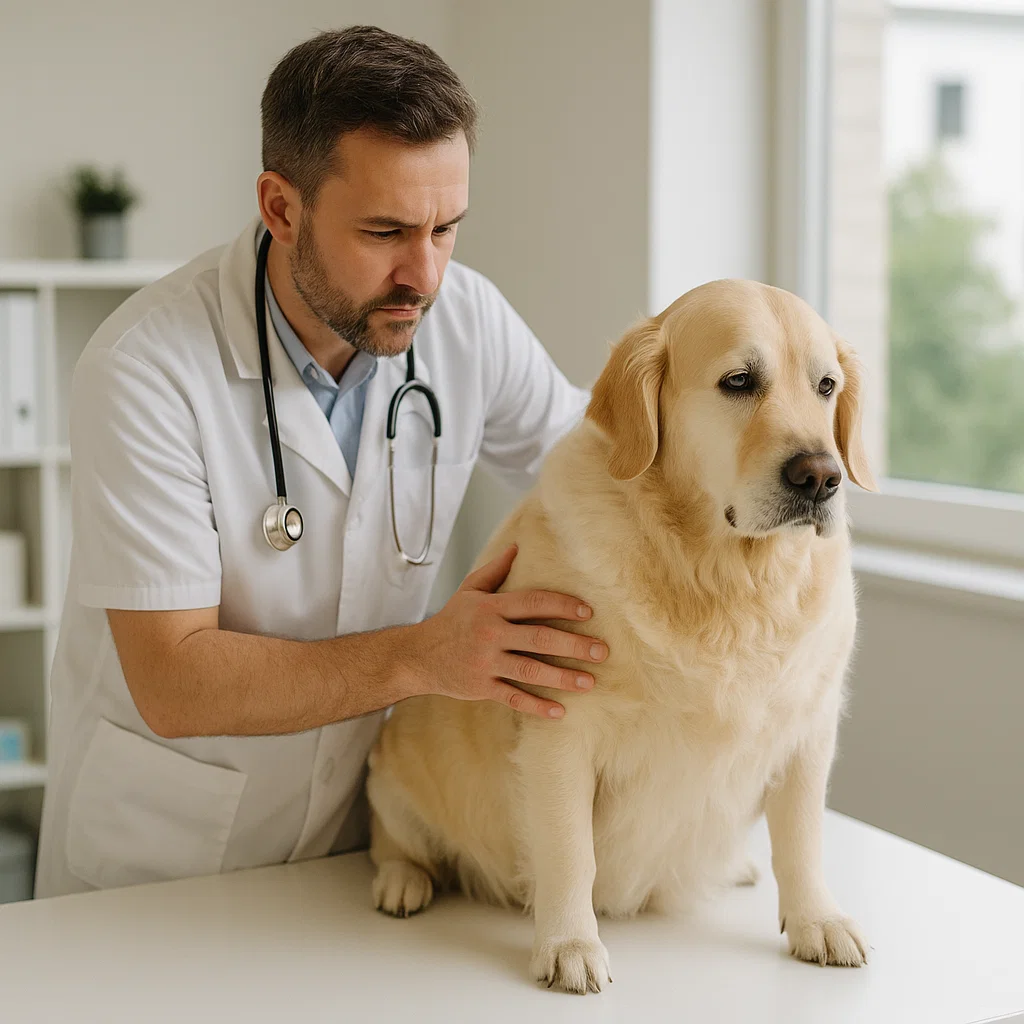
What Vets Will Say in 2025
To ensure that I have the whole picture, I scheduled interviews with two local vets, one in California and another in a telehealth appointment (Texas).
The experience that U.S. vets have about the Dog Ozempic is just neutral with a whiff of extreme caution. It has good potential to move towards GLP-1 weight management in dogs, but is not at the approval stage as yet, as noted by the California vet.
Opinion among experts regarding semaglutide to control dog weight is divided, as some believe there is potential to treat severely affected dogs, but others fear its the long-term implications.
What new regulatory information about Ozempic in dogs is expected in 2025? Not yet approved by the FDA to be used in pets, but pet obesity drug trials in 2025 USA are heating up.
In Veterinary Weight Loss Guidelines 2025, the important factor is program structure rather than the ease of tricks.
Side Effects and The Concerns of Security
There is no sugarcoating this: Semaglutide in dogs may cause vomiting, diarrhea, and lethargy, as it is presented in the research and in the forums. LP-1 analog on the side effects on the canine gut is widespread because it delays gut movement, which may even lead to bloating.
The caution of my personal vet remained with me: Ozempic injections cautionary note veterinary: in the case of off-label use, dogs have no way of saying they are not feeling good.
Long-term safety of semaglutide in dogs is unreported, but during short studies in dogs, some novel data points to issues with the kidneys over time.
The use of GLP-1 analogs requires monitoring of dog blood sugar levels, without which hypoglycemia may occur, as was my experience with Max during his research.
Real Life Condition of Pet Owners
The experience of the owner, given the use of semaglutide injections in dogs in 2025, has been revealing.
I reached out to a couple of owners via the web; one in Florida reported that his lab has lost 15 pounds, yet has persistent stomach trouble.
Ozempic New York testimonials in dogs by those who shared their experiences on the inspiration and results with their pets, especially their increased energy and vitality despite higher vet bills because of the side effects.
I reflected? Reservedly, one Saturday night, I went to one of these balls and was introduced to several ladies of the entitled category. I also decided not to use it off-label, considering the guilty feeling of possible harm against Max’s love of food.
The emotional factor is tangible: the desire to find a fast solution contradicts the fear of taking risks, covered in the love for our pets. During weight loss on emaglutide, dog behavior change may include less begging, but at what cost?

Alternatives to Semaglutide
Fortunately, there are substitutes to Ozempic for dog obesity in the USA. The FDA-approved obesity treatments in the US are Slentrol (dirlotapide) in dogs that decrease fat absorption.
Laxatives in the form of slendertone dogs have fewer side effects, such as looseness of bowel movements, although they are prescribed by the vet.
Comprehensive measures based on a proper diet helped us achieve weight loss in our dog: a natural pet weight loss diet instead of dog semaglutide shots equals healthy pet care. Switch to high-fiber vegetables, probiotic supplements, and regular walks.
Comparison: Ozempic vs natural diet control of dogs: As it usually goes, diets tend to win when it comes to sustainability. Among appropriate weight-loss approaches in obese dogs 2025, one can note portion control and food dispensing toys.
Individualized diet therapy vs pet-like Ozempic? I went on a diet and Max has lost 20 pounds continuously. Pharmaceutical vs holistic approaches to pet weight. Use of holistic approaches typically seems holistic to me now.
Healthy Dog Eating Vegetables (Image suggestion: Freepik healthy dog eating vegetables, alt text: A playing dog having a go at some fresh carrots and greens, a symbol of natural diet maintenance of canine weight gain/loss health.)
Radical & Emerging Systems in 2025
GLP-1 weight loss in senior dogs is at the center of canine weight management news 2025, with the potential to help senior dogs like Max (he is 8 now) enjoy mobility.
The implication of the trial of GLP-1 analog on human use in dogs would allude to cross-benefits, although there is an expectation of more data. Emaglutide trials in canine obesity 2025 US – researchers would conduct trials at universities, clinical research trials on GLP-1 receptor agonists in dogs.
Off-label use-prescription trends indicate an increase in off-label maglutide prescriptions in dogs over the next five years, but evidence-based GLP-1 use to treat pet obesity is still building.
The potential of GLP-1 research to reduce obesity in pets could lead to a change, but I am standing at the back.
Responsible Use Ethics and Legal Worries
Overall, legal questions on prescribing semaglutide to dogs? Vets have to do it, but it is at their own peril when complications come up.
The regulatory position on repurposing of human weight drugs for pets takes a stern position without cutting corners.
The BRB: A sensible conscienceless desire to use semaglutide in overweight pets must be under the supervision of the vet. I am of the opinion that ethics should reign over experimentation.
The Bigger Picture Wellness Outside Of Medicine
Dog metabolic and wellness solutions in the USA are more than pills. Veterinary-inspired weight loss programs for dogs consist of nutritionist consultations, which I did for Max.
He stopped his begging with the help of behavioral feeding interventions in overweight dogs, as well as without medications such as puzzle feeders.
Using GLP-1 could work as a treatment to reduce begging behavior in dogs, but in our case, it was sufficient to train and modify our lifestyle.
Canine hormonal weight control is the future, and in the meantime, we have strict feeding, limitation of portions, and exercise routines that are safe exercises and limited in various ways, and pet weight management at home.
Canine metabolic syndrome treatment options incorporate harmonious meals, and the role of a veterinary nutritionist in the diet of an obese dog cannot be overestimated.
Tips and Maps That I Used, The No One Speaks
This is where I get original: my dog’s weight control practices in everyday life consisted of a morning yoga walk (yup, dog yoga is a thing!) and fresh-prepared frozen snacks that included pumpkin.
The baseline and the value of assessing dog body condition scores, I scored Max on a chart weekly and adjusted his food.
Measurement of progress: I created my own dog weighing journal where I recorded my moods, energy levels, and measurements. Home- and dog-weight-loss treatments? I lost fifteen pounds through walking with Max, making the activity my ritual. The built-in dog and owner weight-loss tracking kept us motivated, with apps available to both the dog and the owner.
Changes in weight loss in dogs were small, such as Max playing more, but gratifying. The one-health philosophy of pet obesity counters matched with me, as this ties both human and pet health.
The Prospect of Pet Owners in the USA
Where I think canine Ozempic research will develop in the next 5 years: additional trials, possible approval in the event of safety. The future-2025 Ozempic usage standards could address dosage plans in pets.
It is pivotal to balance the dog’s holistic wellness and medical innovation. I would say: patience, consistency, and collaborating with vets. The new clinical trials on GLP-1 analogs in pets are encouraging and hold a future promise; however, stick to the evidence.
The recommended guidelines in the U.S. on canine dietary weight loss supplements are in a state of development; keep abreast.
Conclusion: My Bottom Line
Why do I prefer safe canine weight loss strategies over experimental medications? Max is doing great at 72 pounds, energetic and risk-free. Final warning: when considering the Ozempic-like drugs, consult the vet first.
Reassurance: there is a solution to excessive weight in dogs at the vet-supervised semaglutide options in dogs. You can do this!
FAQs
Is Ozempic dog safe in the United States in 2025?
Unapproved by the FDA, therefore, off-label, which means it does have risks, so check with your vet.
What do the vets suggest using as an alternative to semaglutide in dog obesity?
The weight management of the dog often begins with the diet and physical activity.
Canine appetite suppression: Can GLP-1 drugs safely aid in canine appetite suppression?
Perhaps, though, GLP-1 dogs ‘ needs need to be monitored.
What are FDA-approved obesity treatments in the USA for dogs?
Possibilities such as Slentrol canine weight loss pill.
How will I maintain my dog’s glucose control when taking fat-reducing drugs?
Home kits or vet checks for dog metabolism drugs.
Are there any wellness alternatives that are better than injections?
Yes, holistic weight loss is a part of pet wellness.
What dangers are there when owners administer human diabetic medication to their dogs?
Severe were the semaglutide effects in dogs.
Do GLP-1 weight loss strategies help senior dogs?
Possibly, though results vary. Some vets believe GLP-1 therapies may help older dogs with obesity, but safety and monitoring are critical, especially with age-related health conditions.
What can I do to determine whether my dog’s weight loss program is both safe and effective?
A Track with vet-approved weight control measurements.
What can we anticipate with regard to future canine obesity guidelines in the United States?
See more on veterinary obesity trends and options.
About the Author:
Ahmed Seed is a dedicated pet owner and writer who shares personal experiences and research to help dog owners make informed, safe choices about pet health and wellness. This blog has been reviewed and verified by a professional veterinarian.