Disclaimer: This article shares practical home cooking strategies and general food safety habits. It is not medical, nutrition, or legal advice. When in doubt about food safety, follow reputable public guidance and trust your senses.
A few years ago, this guide’s author was the classic “it’s just me, I’ll figure it out” cook, until the fridge became a graveyard of half-used ingredients and forgotten containers.
That is why this plan focuses on easy meal prep for one, built around a single Sunday hour that produces real meals, fewer dishes, and less food waste during a busy American week.
The goal is not perfection, it is consistency, a calm default that still leaves room for takeout nights and unexpected plans.
Here is the honest part. The cook who tested this system says, “I used to overcook, waste food, and get bored, this plan fixed it.” They also add, “I’ve tested this with small-batch cooking and portioned leftovers, it holds up.”
The key shift is treating Sunday like a short reset, not a marathon, with a repeatable flow that works in a tiny apartment kitchen as well as a full-size home setup.
TL,DR
In one hour, this plan sets up a simple weeknight meal routine using cook once eat twice thinking, plus mix-and-match components that can become bowls, wraps, salads, or quick hot plates. Expect roughly 4 weekday lunches, 3 dinners, 2 breakfasts, and easy snacks, depending on appetite and schedule.
The workflow leans on batch cooking basics, a fast vegetable roast, one versatile protein, and one grain, then finishes with a small sauce and dressing prep that keeps everything from tasting like “the same meal again.”
The one-hour Sunday plan overview
This method is intentionally boring in the best way, because boring systems are the ones people actually repeat.
The cook who tested it describes it as “a short, timed routine with guardrails.” It starts with setup, then cooks foundation items in parallel, then packs them in a way that stays appetizing all week.
The 60-minute timeline (high-level)
Minute 0 to 10, setup and minimal cleanup
- Clear the counter, set a cutting board, and start the oven or cooker.
- Put containers out first so packing is not an afterthought.
- Think of this as minimal cleanup cooking, where dishes are planned like steps.
- A quick reset of food storage organization helps, especially if the fridge is cluttered.
- This is also when a reusable container system pays off, because everything has a place.
Minute 10 to 25, cook the foundation
- Start a grain, start a protein, start veggies on a tray.
- This is the core of batch cooking basics, but scaled for one person.
- Choose protein base options that reheat well.
- Use veggie prep shortcuts (pre-cut, frozen, bagged greens) without guilt when time is tight.
Minute 25 to 45, roast and finish
- Let the vegetables roast while the protein finishes.
- This is the sweet spot for quick sheet-pan meals, or building components that later become one-pan dinners on weeknights.
Minute 45 to 55, sauces, snacks, pack
- Mix one or two fast sauces and prep snacks.
- This is where seasoning blend ideas and a little snack box ideas planning prevents boredom and impulse ordering.
Minute 55 to 60, cool, label, store
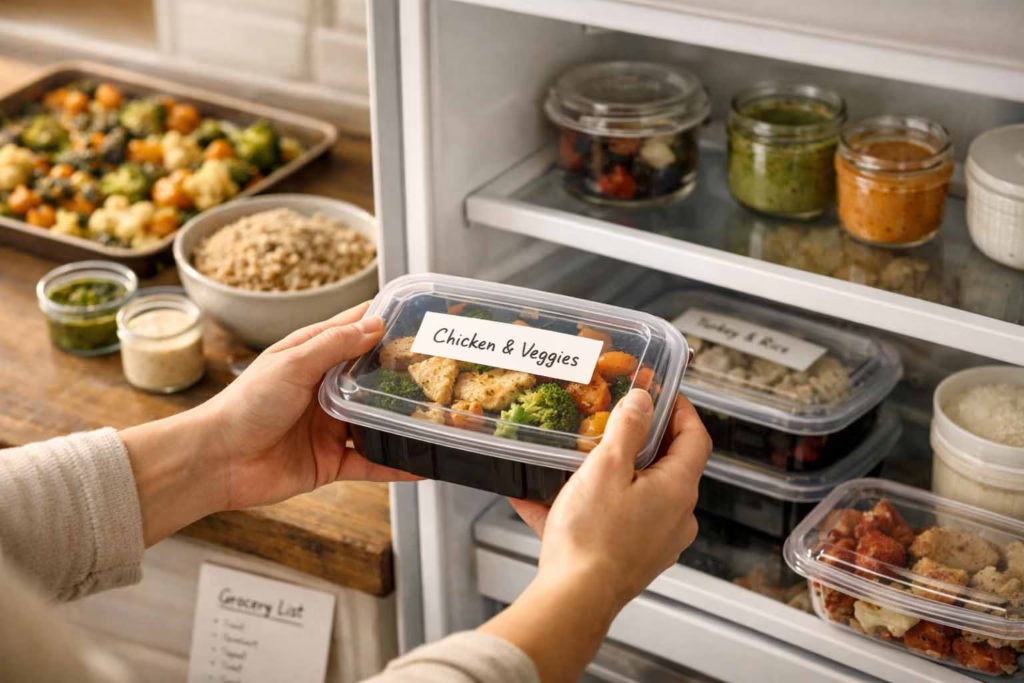
- Cool food safely and pack in portions.
- Use safe cooling methods and basic reheating best practices so meals taste good later.
- Close the loop with portioned leftovers that are ready to grab.
What this plan creates (realistic yield for one person)
A typical week from this method yields:
- 4 weekday lunches that work as make-ahead lunches
- 3 dinners that feel like make-ahead dinners
- 2 simple breakfasts
- a few snack portions
The big win is not quantity, it is consistency. The cook describes the outcome as, “I always have something to eat that is not depressing.” Because the plan is based on components, it fits single-serving recipes without forcing the same exact container meal five days in a row.
Why meal prep for one is different (and what makes it work)
Meal prep advice often assumes a family, a big freezer, or a Sunday afternoon with unlimited time. Cooking solo is its own category, and it comes with three predictable pain points.
The three solo problems
- Boredom
- When the same flavors repeat, motivation collapses by Wednesday.
- This is why the plan centers sauces and small changes, and it directly answers “ideas for low-effort dinners after work” with options that feel new.
- Waste
- Buying a full bundle of herbs or a giant bag of produce can backfire.
- The cook’s rule is simple, “If I cannot name two uses for it this week, I do not buy it.”
- That mindset connects to “how to reduce food waste when cooking solo” without turning the kitchen into a math problem.
- Energy
- After work, decision fatigue is real, and the kitchen becomes a negotiation.
- The plan builds default meals that require only reheating or quick assembly.
The rule that changes everything, prep components, not identical meals
The engine here is mix-and-match components, supported by solo meal planning that stays realistic. Instead of eight identical containers, the cook makes a protein, a grain, and vegetables, then rotates sauces and formats. They describe a week that finally clicked like this: “I had roasted veggies and chicken ready, and I turned it into a rice bowl one day, a wrap the next, and a quick skillet plate on Thursday. Nothing felt repetitive.”
That is the difference between cooking in bulk and smart small-batch cooking.
The Sunday grocery system for one (USA-focused)
The grocery step is where many solo preppers lose time and money. The goal is a shopping pattern that is boring, repeatable, and flexible.
Build a weekly grocery list that prevents waste
A strong weekly grocery list for one person is built around a “core five”:
- Protein
- Grain or starch
- Vegetables (2 to 4)
- Sauce or dressing
- Snacks
This is where budget-friendly groceries matter, because overspending often comes from buying too many “good intentions” items. The cook’s approach is to pick one “fresh” vegetable category, one “long-lasting” vegetable category, and one frozen option.
Pantry and fridge strategy that makes weeknights easy
A reliable base of pantry meal staples is the quiet hero of solo cooking. The plan works better when the fridge is stocked with fridge-stable ingredients like sturdy greens, eggs, yogurt, carrots, cabbage, and a few condiments that pull weight.
The cook’s personal note is blunt: “I keep a couple sauces, canned beans, and a grain on hand, because when I’m tired, I will not improvise.” That is also where smart ingredient swaps come in, like subbing canned chickpeas for chicken, or swapping tortillas for rice.
Planning with apps and a realistic budget
For people who like structure, grocery and recipe apps can reduce friction. This guide mentions them as options, not requirements:
- AnyList for a repeatable shopping template
- Paprika Recipe Manager for saving recipes and scaling portions
- Yummly for discovery when meals feel stale
For Americans managing food budgets, it is also worth knowing that the Supplemental Nutrition Assistance Program (SNAP) exists as a support option.
One helpful mental model for shopping is “how to shop once and eat all week,” not by buying seven different meals, but by buying building blocks.
Tools, containers, and setup that reduce friction
This plan is designed to work with basic equipment, but a few choices make the one-hour limit much easier.
Cooking tools that make the hour doable
- Instant Pot for quick grains or shredded protein
- Ninja Foodi for multi-function cooking in tight kitchens
- Crock-Pot for hands-off protein or beans
For stovetop and oven work:
- Lodge Cast Iron for fast searing and skillet meal ideas
- Nordic Ware sheet pan for roasting
- Cuisinart basics for chopping and mixing
- All-Clad or Le Creuset if the cook already owns them, they hold heat well
- KitchenAid for batch mixing sauces or shredding
This is where slow cooker staples can become a backup plan for weeks when energy is low.
Containers and storage system (simple, repeatable)
A functional container setup prevents the “I prepped, but nothing fits” problem. Common options include:
- Pyrex glass containers
- Rubbermaid Brilliance for leak resistance
- Cambro for restaurant-style stackability
- Ball Mason Jars for salads and overnight oats
- Stasher reusable silicone bags
- Ziploc for freezer portions when budget is tight
- Reynolds Wrap for quick cover and tray cleanup
- OXO containers for dry goods
This is also where “best container sizes for lunches and snacks” matters. One medium container for mains, one small for sauce, one small for snacks is usually enough.
Optional extras for quality and speed
- ThermoWorks Thermapen to remove guesswork with doneness
- Vitamix or NutriBullet to blitz dressings, sauces, or smoothies quickly
The menu blueprint, build 4 lunches and 3 dinners from the same prep
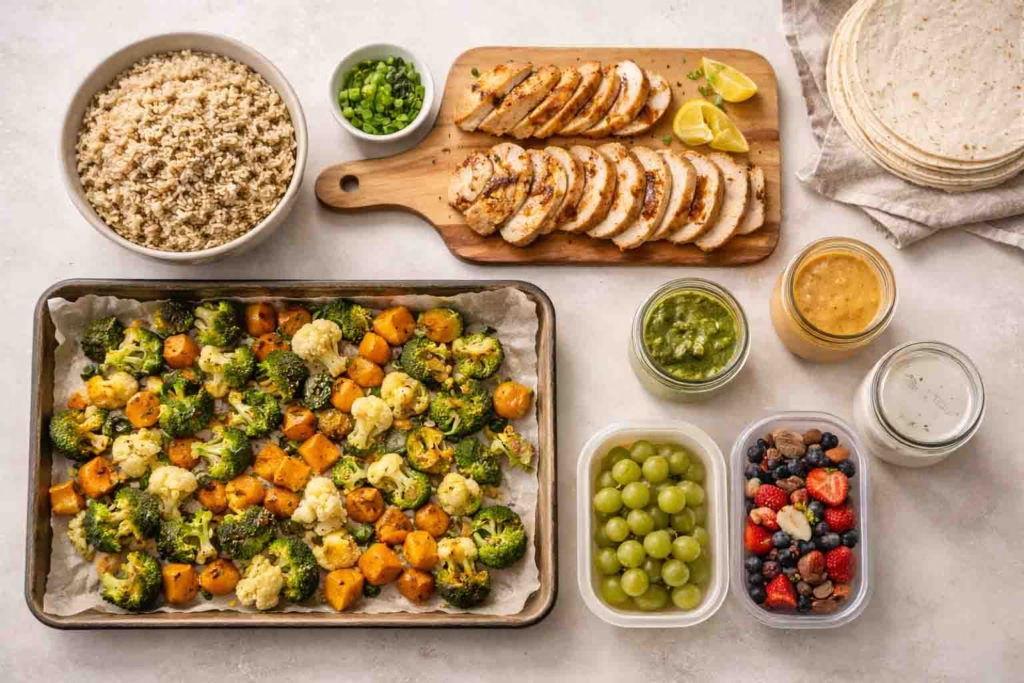
Instead of a rigid menu, this section describes a blueprint that produces variety. The cook’s guiding question is, “Can I turn these into three different formats without extra cooking?”
Base components to prep each week
Grains and starches (pick 1 to 2)
A good grain becomes a platform for grain bowl combos and rice bowl variations. Options that tend to hold up well include rice, quinoa, farro, or roasted potatoes.
Many people wonder “what grains reheat best in the microwave,” and the practical answer is, grains that keep moisture and are stored with a small splash of water or sauce.
For rice specifically, many ask “how to keep cooked rice from drying out.” The cook’s solution is to store rice in a tight container and reheat with a teaspoon of water plus a lid.
Proteins (pick 1 to 2)
For weekday satisfaction, protein matters, especially for high-protein lunches. The blueprint uses one main protein plus one backup option (like eggs, beans, or yogurt).
People often search for “best proteins that stay juicy after reheating.” In practice, thighs, meatballs, shredded chicken, tofu, and beans reheat more forgivingly than lean cuts.
A common safety question is “how long cooked chicken is good in the fridge.” This is where the article recommends following reputable public guidance from USDA Food Safety and Inspection Service (FSIS), and using common sense about storage and smell.
(The cook keeps chicken to a few days, freezes the rest, and avoids pushing limits.)
Vegetables (pick 2 to 4)
Vegetables are where flavor and texture can either make the week great or ruin it. Use a mix of roasted, raw, and quick-cook items. This is the heart of veggie prep shortcuts.
Two common concerns show up again and again:
- “how to prep vegetables without them going limp”
- “ways to prevent soggy vegetables in containers”
The cook’s approach is to keep wet ingredients separate, let roasted vegetables cool before sealing, and store crunchy raw vegetables in their own container.
Sauces and seasonings (the boredom-killer)
2 fast sauces that transform the week
This is the small investment that delivers big variety. A yogurt sauce, a vinaigrette, a salsa-like mix, or a peanut-style sauce can shift meals completely. This section is intentionally labeled sauce and dressing prep, because it is not optional in a one-person system.
The key phrase here is “simple sauces that change the flavor all week.” The cook tries to keep sauces punchy and slightly salty, because reheated food needs stronger flavor than fresh-cooked food.
Snacks and add-ons that stop takeout
A prep plan fails when hunger hits between meals. The answer is purposeful snack box ideas like pre-portioned nuts, fruit, yogurt, hummus and crackers, or a mini sandwich kit.
This section directly supports “how to prep snacks to avoid takeout,” because a snack at 4 pm often prevents a $25 delivery order at 7 pm.
Step-by-step, the one-hour Sunday workflow (the exact sequence)
This is the part most people want, the exact order that makes the hour realistic. The cook calls it a “three-burner mindset,” even if the kitchen only has one burner.
Before starting, a 5-minute setup that saves time later
- Preheat the oven or heat the cooker.
- Set out the cutting board, knife, and mixing bowl.
- Put the containers on the counter so packing is fast.
- Fill the sink with hot soapy water to wash as they go.
- This is the backbone of minimal cleanup cooking, because cleanup happens in small moments, not at the end.
Food safety basics (practical, not scary)
This guide keeps food safety simple and grounded. The cook follows two habits:
- Cool food before sealing, and do not leave it out for long.
- Store hot foods in shallow containers so they chill faster.
Those habits align with general guidance from the U.S. Food and Drug Administration (FDA) and USDA Food Safety and Inspection Service (FSIS). A small but powerful system is “how to label and rotate cooked food,” especially for freezer portions.
When protein is involved, the cook uses the ThermoWorks Thermapen to confirm doneness without guessing.
The cooking sequence (parallel tasks)
Grain first, then protein, then vegetables
- Start the grain
- If using a pressure cooker, the cook uses Instant Pot or Ninja Foodi.
- If using stovetop, the cook starts it first so it finishes while other work happens.
- Start the protein
- Options include roasting, pan-searing, or slow cooking depending on the week.
- Get vegetables into the oven
- A Nordic Ware sheet pan makes roasting easier and faster.
- Toss vegetables with oil and seasoning, spread out, and roast until browned.
- Use a pan when needed
- For quick finishing or searing, the cook uses Lodge Cast Iron.
A simple “one-pan” dinner component
To reduce weekday effort, the cook sets aside one portion designed for a fast finish meal, for example roasted vegetables plus protein that can be warmed and served with a quick sauce. This is the bridge into one-pan dinners, created from Sunday components without re-cooking everything.
A slow cooker option when you want hands-off
Some weeks are chaotic, and hands-off cooking wins. The cook loads the Crock-Pot with protein and seasoning, then portions it later. This is an easy on-ramp to slow cooker staples without requiring advanced recipes.
Portioning, packing, and storage
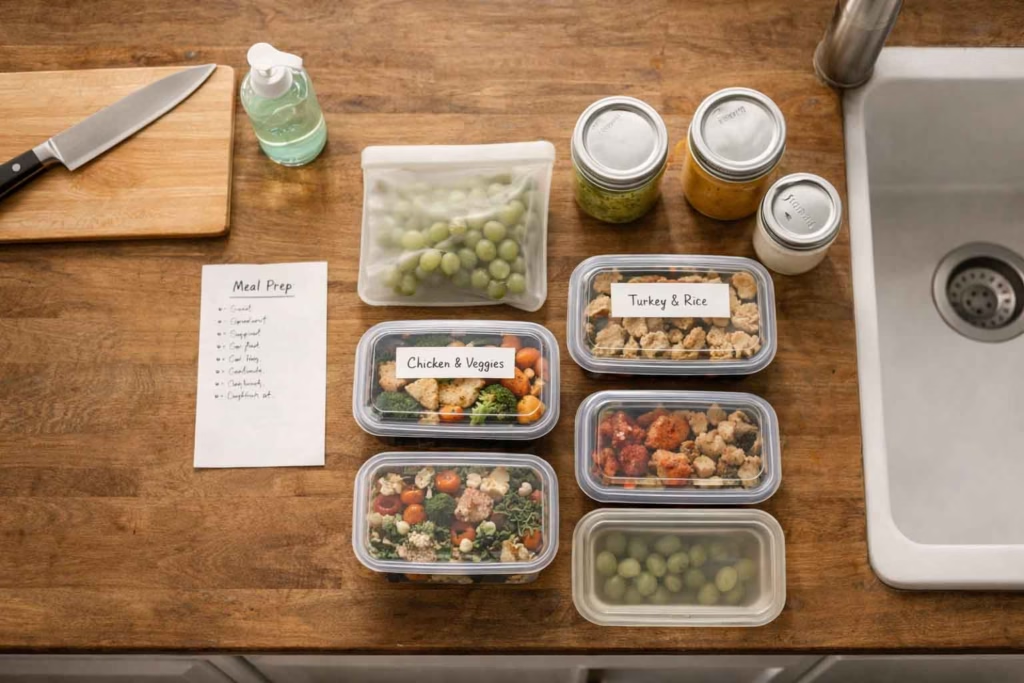
Packing is where the plan becomes real. This system emphasizes freezer-friendly meals and avoids cramming everything into the fridge at once.
Practical packaging rules:
- Portion out a few fridge meals for the next three days.
- Freeze anything that will not be eaten soon.
This section answers three common questions:
- “how to portion meals without a scale” (use container size as the guide)
- “what to freeze vs what to refrigerate” (freeze later-week items)
- “freezer portions that thaw fast overnight” (flatten bags, use small containers)
The cook uses Pyrex for fridge meals, Rubbermaid Brilliance for transport, and Cambro for stacking. For salads and breakfasts, they use Ball Mason Jars. For freezer portions, Stasher and Ziploc work well, especially when labeled.
Reheating so it still tastes good
Reheating is where many prepped meals fail. This section is focused on reheating best practices, because texture is what makes a meal feel “fresh” or “leftover.”
The biggest rule is simple, heat gently and add moisture when needed. That is the real answer to “how to reheat without overcooking.” The cook also keeps sauces separate, then adds them after heating to preserve brightness.
Mix-and-match meal matrix (assembly guide)
The lunch formula (build 4 distinct lunches)
Many people ask “how to build a mix-and-match lunch formula.” The structure is:
- Base (grain or greens)
- Protein
- Crunch (raw veg, nuts, seeds)
- Sauce
- Optional add-on (fruit, yogurt, or something pickled)
Lunch formats that stay interesting:
- salad jar lunches (sauce at the bottom, crunchy items away from greens)
- wrap and sandwich kits (keep fillings separate until eating)
- microwave-friendly lunches (grain, protein, veg, sauce on the side)
- no-cook meal ideas when energy is low
Two common needs:
- “no-cook lunches that feel filling” (add protein and healthy fat)
- “how to make salads that last four days” (separate wet ingredients, use sturdy greens)
The dinner formula (3 dinners, low effort)
Dinner is where most solo cooks get tired and order food. The plan builds dinners that are either reheat-and-eat, or quick to finish.
This is where 15-minute dinners show up as a practical reality, not a fantasy. One reliable approach is “quick dinners using pantry staples,” like beans plus grain plus sauce, or eggs plus roasted vegetables.
This also supports “ideas for low-effort dinners after work” without requiring extra recipes.
The “cook once, eat twice” transformation rules
The transformation rules keep meals from feeling repetitive:
- Change the format (bowl, wrap, plate)
- Change the sauce
- Add a crunchy topping
- Add a fresh element (lemon, herbs, salad)
This is where “how to turn leftovers into new meals” becomes simple behavior, not a complicated strategy, and it reinforces cook once eat twice without feeling like repetition.
A sample weekly rotation (so boredom does not win)
Rotation solves the Wednesday slump. The cook rotates by format and flavor, not by cooking entirely new meals.
Bowl week (rice and grain bowls)
This week is built around rice bowl variations and grain bowl combos, where the sauce changes the entire personality of the meal. One day might be tangy and fresh, another smoky, another creamy.
Taco week (easy remixing)
Tacos are one of the easiest remixes for one person. Prep a protein and vegetables, then keep tortillas and toppings ready. This section answers “how to prep tacos for the week” by separating wet toppings (like salsa) from tortillas until the last moment.
Pasta night without the mess
Pasta can work in a prep plan if it is handled carefully. The guide includes the practical tip behind “how to keep pasta from sticking,” which is storing it with a small amount of oil or sauce, and reheating with a splash of water.
Comfort-food weeknight option (still balanced)
Sometimes the week calls for comfort. The goal is comfort that still supports energy and fullness, which connects to “healthy comfort food for busy weekdays.” A warm bowl with vegetables, protein, and a satisfying sauce often hits the spot.
Nutrition and macro flexibility (simple, practical)
This article avoids extreme rules and focuses on a pattern that works for most adults.
A balanced plate that works for most people
A helpful reference for balance is MyPlate, and the Dietary Guidelines for Americans provide general direction on variety and moderation. The cook uses those ideas to build balanced macros meals without obsessing.
This section also reinforces high-protein lunches for satiety, especially for people who tend to snack when lunch is too light.
If tracking helps, keep it lightweight
Some people like tracking for a few weeks to learn portion patterns. The cook has used MyFitnessPal and Cronometer in short phases, then stopped once the habits felt automatic. The lesson is not that tracking is required, it is that it can be a temporary training tool.
Budget, waste, and convenience wins
This plan is popular because it saves time, but many people stay with it because it saves money.
Grocery cost controls that work for one
A few strategies keep costs predictable:
- Buy one main protein per week, and use it across formats.
- Choose produce that lasts.
- Use sales for freezer items.
This section keeps budget-friendly groceries central, and again notes that Supplemental Nutrition Assistance Program (SNAP) is a support resource for eligible households.
Waste reduction systems
Waste often comes from overbuying and overprepping. The system reduces waste by:
- Planning two uses for each ingredient
- Freezing later-week portions early
- Using flexible ingredients that work in multiple meals
This ties directly back to “how to reduce food waste when cooking solo,” and reinforces smart ingredient swaps, fridge-stable ingredients, and pantry meal staples as the practical backbone.
Special situations (because life is not always consistent)
Not everyone has a full kitchen and a quiet Sunday. The system adapts.
Ultra-small kitchen or student setup
In a tight setup, the cook leans on dorm-style cooking hacks, like:
- One cooker, one pan, one cutting board
- Frozen vegetables and pre-cooked grains
- Simple sauces mixed in a jar
Work lunches and commuting
Transport is a real constraint. This section answers “how to pack meals for work” with a few principles:
- Use leak-resistant containers
- Keep sauces separate
- Pack a snack so lunch does not have to carry the whole day
Troubleshooting guide, what the cook messed up at first
Most people quit because a few early meals taste bland, soggy, or dry. The cook who tested this plan made those mistakes too.
Common problems and fixes
- Rice is dry
Fix: revisit “how to keep cooked rice from drying out,” add moisture when reheating, and seal storage well. - Vegetables get soggy
Fix: apply “ways to prevent soggy vegetables in containers,” cool fully before sealing, store wet ingredients separately. - Food tastes flat by day three
Fix: follow “how to season food so it stays tasty,” season in layers, and add finishing acid or fresh herbs after reheating. - Meals overcook in the microwave
Fix: follow “how to reheat without overcooking,” use lower power, shorter bursts, and add a small splash of water when needed.
Quick checklists (copy, paste, and follow)
Sunday checklist (one hour)
Use this when the brain is tired and structure matters. The cook keeps this list on the fridge because it answers “what to cook in 60 minutes on Sunday” with a repeatable routine.
- Preheat oven or start cooker
- Set containers out
- Start grain
- Start protein
- Roast vegetables
- Mix one sauce
- Portion, cool, label
- Store fridge portions and freeze later-week portions
Monday to Friday checklist (10 minutes a day)
This protects the plan during busy weekdays:
- Pick format (bowl, wrap, salad, plate)
- Reheat gently if needed
- Add sauce after heating
- Pack a snack
- Reset one container for tomorrow
This supports the broader weeknight meal routine so cooking does not become a daily decision.
FAQs
1) What is the easiest one-hour Sunday prep method for a solo eater in the USA?
The easiest method is a component-based prep, one grain, one protein, 2 to 4 vegetables, one sauce, and a snack plan. It reduces decisions and makes weekday meals mostly assembly.
2) How can someone handle “how to plan four lunches with minimal ingredients” without boredom?
Use a single foundation set of components, then rotate formats, bowl one day, wrap another, salad another. The ingredient list stays short, but the experience changes.
3) What is a practical approach for “best proteins that stay juicy after reheating”?
Choose forgiving proteins like thighs, meatballs, shredded chicken, tofu, or beans. Store with a little sauce, reheat gently, and avoid overcooking lean cuts.
4) For “how long cooked chicken is good in the fridge,” what is the safest simple rule?
A simple rule is to keep chicken for only a few days in the fridge, then freeze the rest. For authoritative guidance, people can check public recommendations from USDA FSIS, and prioritize safe cooling and storage habits.
5) What helps with “how to keep cooked rice from drying out” for office lunches?
Store rice tightly sealed, reheat with a teaspoon of water, and cover while heating. A sauce added afterward also brings moisture back.
6) What are “best container sizes for lunches and snacks” for one person?
A medium container for the main meal, a small container for sauce, and a small container for snacks covers most needs. Leak resistance matters more than perfect sizing.
7) How does someone solve “how to make salads that last four days” without sogginess?
Use sturdy greens, keep wet ingredients separate, and layer jars carefully. Add dressing right before eating.
8) For “what to freeze vs what to refrigerate,” what is the simplest plan?
Refrigerate meals meant for the next two to three days, freeze anything planned for later in the week. That reduces waste and keeps flavors fresher.
9) What is an easy way for “how to prep breakfast without waking up early”?
Prep two breakfast portions on Sunday, overnight oats, egg cups, or yogurt kits. Keep them ready to grab so mornings stay simple.
10) What are reliable “quick dinners using pantry staples” after a long day?
Beans plus grain plus sauce, eggs plus roasted vegetables, or a simple skillet plate using prepped components are reliable. The goal is low effort, not fancy.
Author Bio
Taylor Whitaker writes practical, low-waste cooking routines for busy weeks, with a focus on simple grocery systems and realistic prep. Published by Ahmed Saeed.